Protecting worker hearing is a critical part of maintaining a safe and healthy workplace. Across Alberta industries such as oil and gas, construction, manufacturing, transportation, utilities, and municipal services, workers are regularly exposed to elevated noise levels that can impact long-term hearing health if not properly managed.
At Canadian Occupational Wellness, we provide professional noise exposure assessments, hearing conservation programs, audiometric testing, and hearing fit testing services throughout Alberta to help employers reduce occupational risk and support workplace safety compliance.
Understanding Occupational Noise Exposure
Workplace noise exposure is one of the leading causes of occupational hearing loss in Canada. Unlike many workplace injuries that occur suddenly, hearing damage often develops gradually over time. Because the changes can happen slowly, workers may not notice the effects until permanent hearing loss has already occurred.
Many Alberta workplaces expose employees to potentially hazardous sound levels on a daily basis. Common high-noise industries include:
- Oil and gas operations
- Construction and road work
- Manufacturing and fabrication facilities
- Mining and industrial sites
- Agriculture
- Warehousing and logistics
- Transportation and heavy equipment operations
- Utilities and municipal services
Workers exposed to excessive workplace noise may experience:
- Permanent hearing loss
- Temporary hearing fatigue
- Tinnitus or ringing in the ears
- Difficulty communicating on the job
- Reduced awareness of warning signals and hazards
- Increased stress and fatigue
- Greater risk of workplace incidents
Protecting hearing health is not only important for employee wellbeing but also plays a significant role in workplace safety and productivity.
What Is a Noise Exposure Assessment?
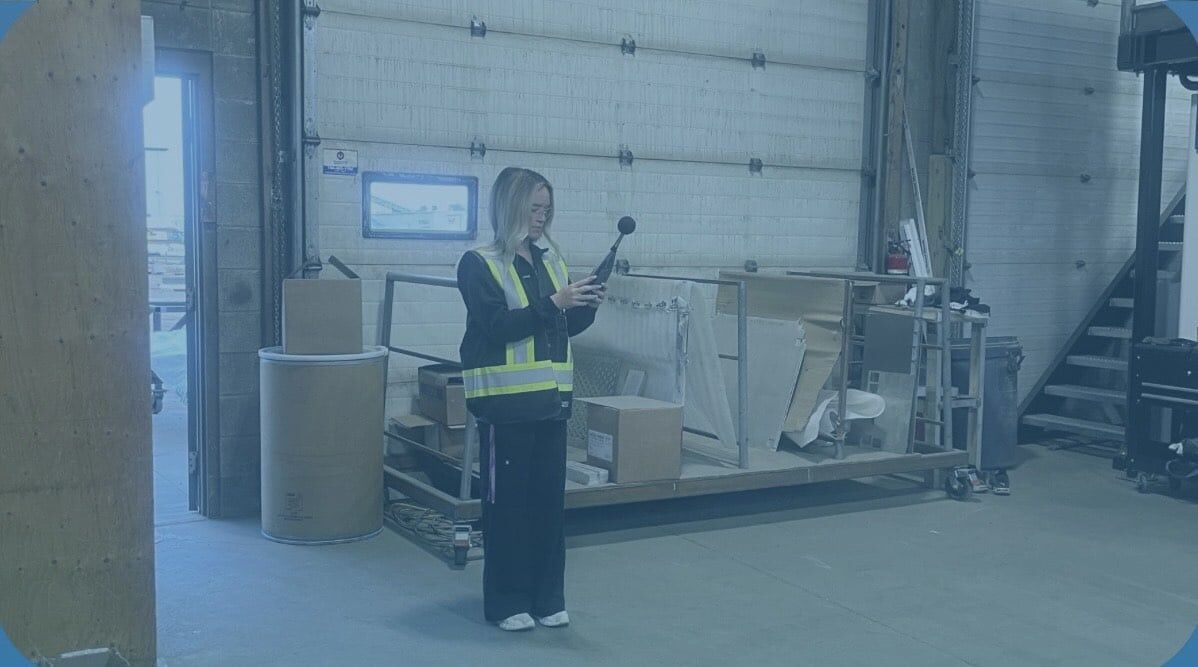
A noise exposure assessment is designed to evaluate the level of noise workers are exposed to during their shifts and determine whether those levels exceed occupational exposure guidelines or regulatory limits.
At Canadian Occupational Wellness, our assessments are tailored to each workplace environment and may include:
- Personal noise dosimetry
- Area sound level measurements
- Task-specific exposure monitoring
- Identification of high-noise work areas
- Workplace hazard evaluations
- OHS Compliant reporting and documentation
- Recommendations for noise reduction strategies
Noise assessments help employers better understand where exposure risks exist and what controls may be necessary to reduce those risks.
Every workplace is different, which is why customized evaluations are important. Some workers may experience intermittent exposure, while others may be exposed to hazardous sound levels throughout an entire shift. Understanding these patterns helps employers build effective hearing conservation programs that are practical and industry-specific.
Why Hearing Conservation Programs Matter
A hearing conservation program is a proactive approach to protecting workers from occupational hearing damage. These programs are especially important in industries where workers are routinely exposed to elevated sound levels.
A successful hearing conservation program involves more than simply supplying hearing protection devices. It combines assessment, education, monitoring, and ongoing evaluation to ensure workers are properly protected.
At Canadian Occupational Wellness, our hearing conservation programs can include:
Workplace Noise Monitoring
Regular monitoring helps identify changes in workplace noise levels and determines whether existing controls remain effective. Ongoing monitoring is particularly important in industries where equipment, processes, or job tasks frequently change.
Hearing Protection Recommendations
Not all hearing protection devices are suitable for every workplace or worker. Selecting the correct hearing protection depends on factors such as noise levels, job tasks, communication needs, and worker comfort.
We help employers identify appropriate hearing protection solutions based on their specific operational requirements.
Hearing Fit Testing
Even when workers are provided with hearing protection, improper fit can significantly reduce its effectiveness. Hearing fit testing helps determine whether hearing protection devices are achieving the proper seal and level of protection for each worker.
Hearing fit testing can help:
- Improve hearing protection effectiveness
- Reduce improper insertion of earplugs
- Increase worker confidence and compliance
- Support workplace safety initiatives
- Verify real-world protection levels
This type of testing is becoming increasingly valuable in occupational environments where proper hearing protection is essential for worker safety.
Worker Education and Training
Education is a key component of any hearing conservation program. Workers should understand:
- The risks associated with occupational noise exposure
- How hearing loss develops
- When hearing protection is required
- How to correctly wear hearing protection
- The importance of ongoing hearing monitoring
Providing workers with proper education can improve compliance and encourage long-term hearing protection habits both at work and outside the workplace.
The Importance of Audiometric Testing
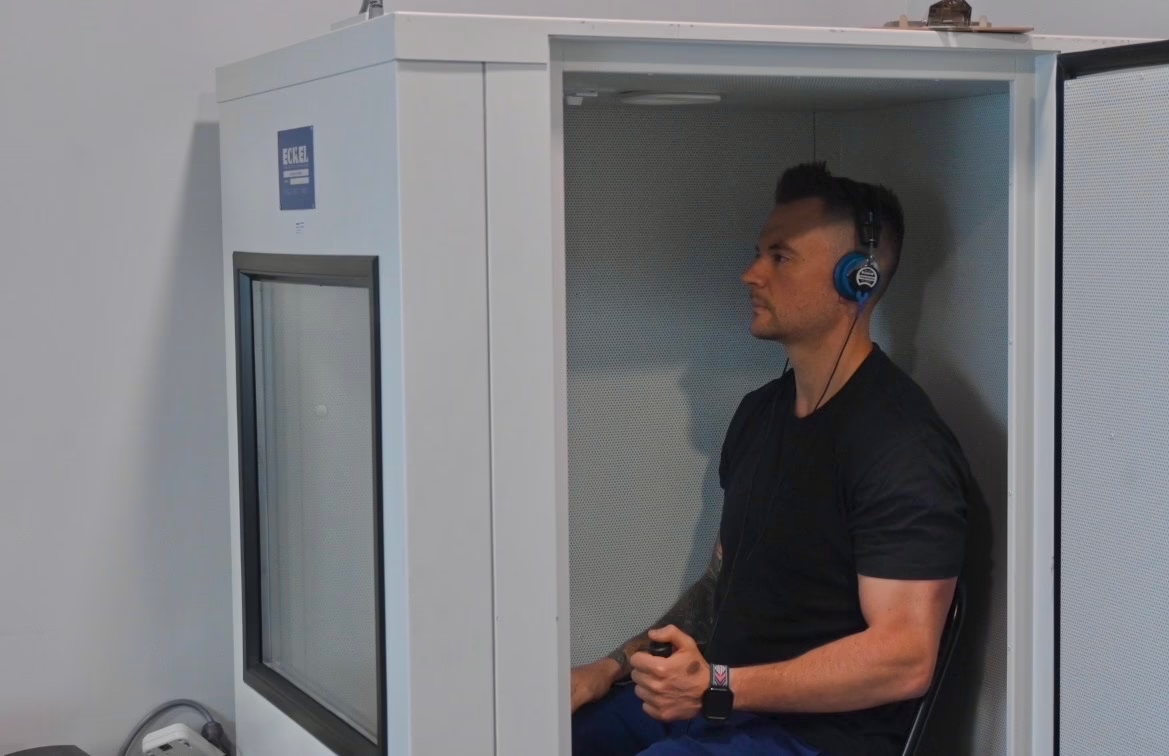
Audiometric testing is an essential part of monitoring worker hearing health. These tests evaluate an individual’s hearing ability and help establish a baseline for future comparison.
Routine audiometric testing can identify early signs of hearing loss before significant damage occurs. Detecting changes early allows employers and workers to take corrective action and reduce the likelihood of further hearing deterioration.
Our audiometric testing services include:
- Baseline audiometric testing
- Periodic hearing monitoring
- Mobile audiometric testing services
- On-site occupational hearing testing
- Professional documentation and reporting
Audiometric testing can also help employers evaluate the effectiveness of their current hearing conservation strategies and identify areas that may require improvement.
Mobile Occupational Hearing Services Across Alberta
Many Alberta employers operate in remote locations, industrial facilities, or large worksites where sending workers off-site for testing can be time-consuming and disruptive. Mobile occupational health services help reduce downtime and improve accessibility for workers.
Our mobile occupational hearing services throughout Alberta, including:
- Edmonton
- Sherwood Park
- St. Albert
- Fort Saskatchewan
- Nisku and Leduc
- Red Deer
- Calgary
- Remote industrial and rural worksites
Our mobile services allow employers to complete hearing assessments and occupational testing directly at their worksite, helping improve efficiency and minimize operational interruptions.
Supporting Workplace Safety and Compliance in Alberta
Occupational hearing loss is preventable when employers take proactive steps to identify and manage workplace noise hazards. A well-developed hearing conservation program demonstrates a company’s commitment to worker health, safety, and regulatory compliance.
By combining:
- Noise exposure assessments
- Workplace monitoring
- Hearing fit testing
- Worker education
- Audiometric testing
employers can significantly reduce the risk of occupational hearing damage and improve overall workplace safety.
Whether your organization is developing a new hearing conservation program or improving an existing one, Canadian Occupational Wellness provides professional occupational hearing services tailored to Alberta industries and worksites.
Book Occupational Hearing Services in Alberta
If your organization requires:
- Noise exposure assessments
- Hearing conservation programs
- Audiometric testing
- Hearing fit testing
- Mobile occupational health services
Contact Canadian Occupational Wellness to learn more about protecting your workforce and supporting workplace hearing safety throughout Alberta.