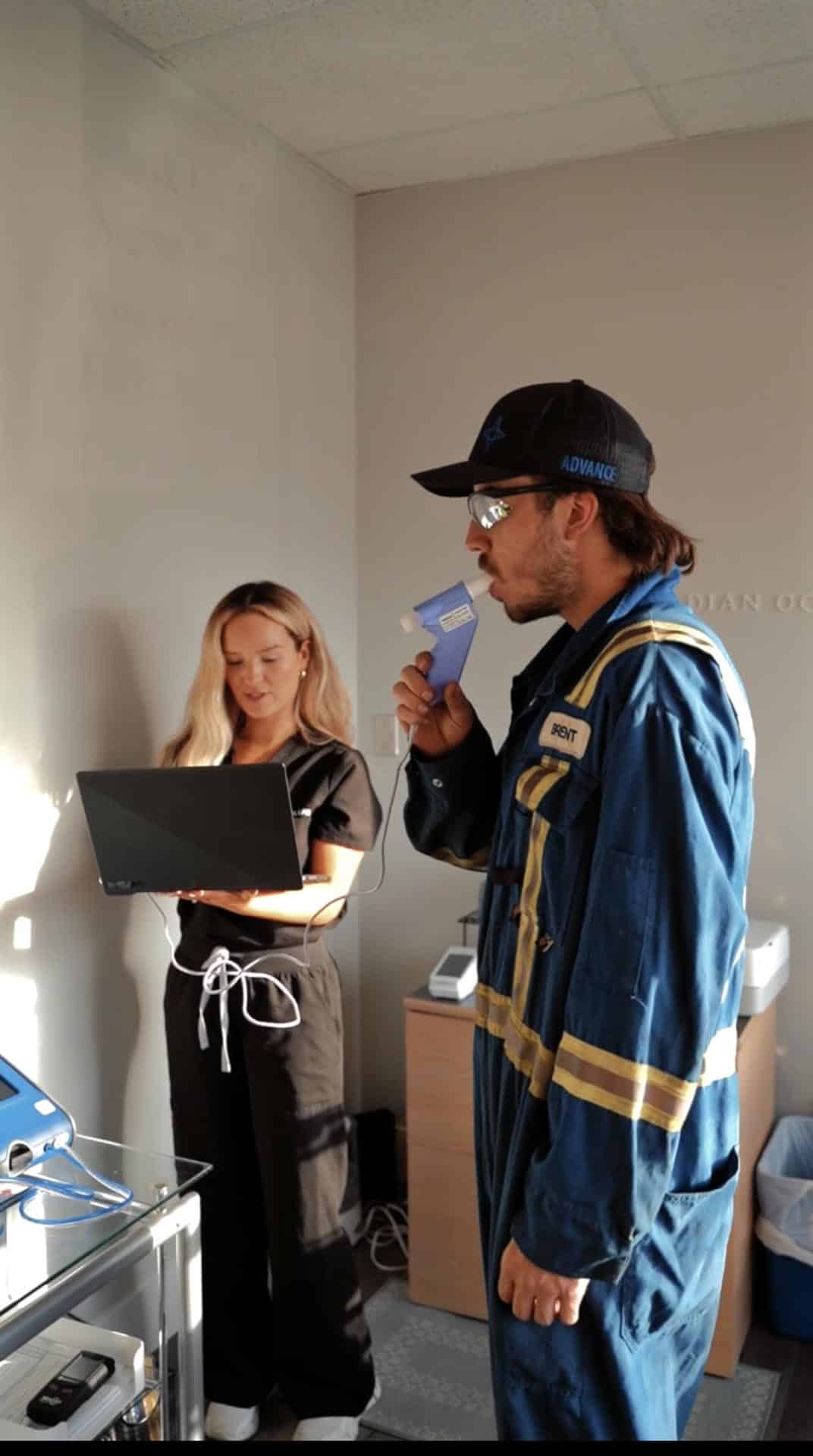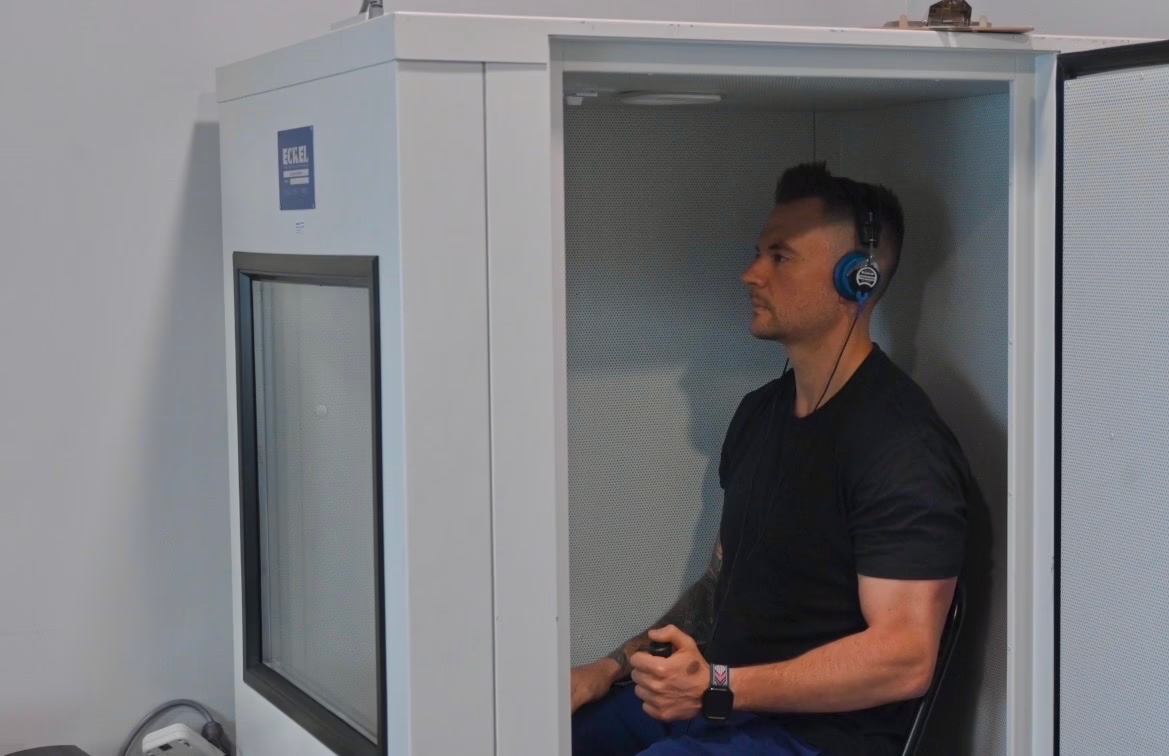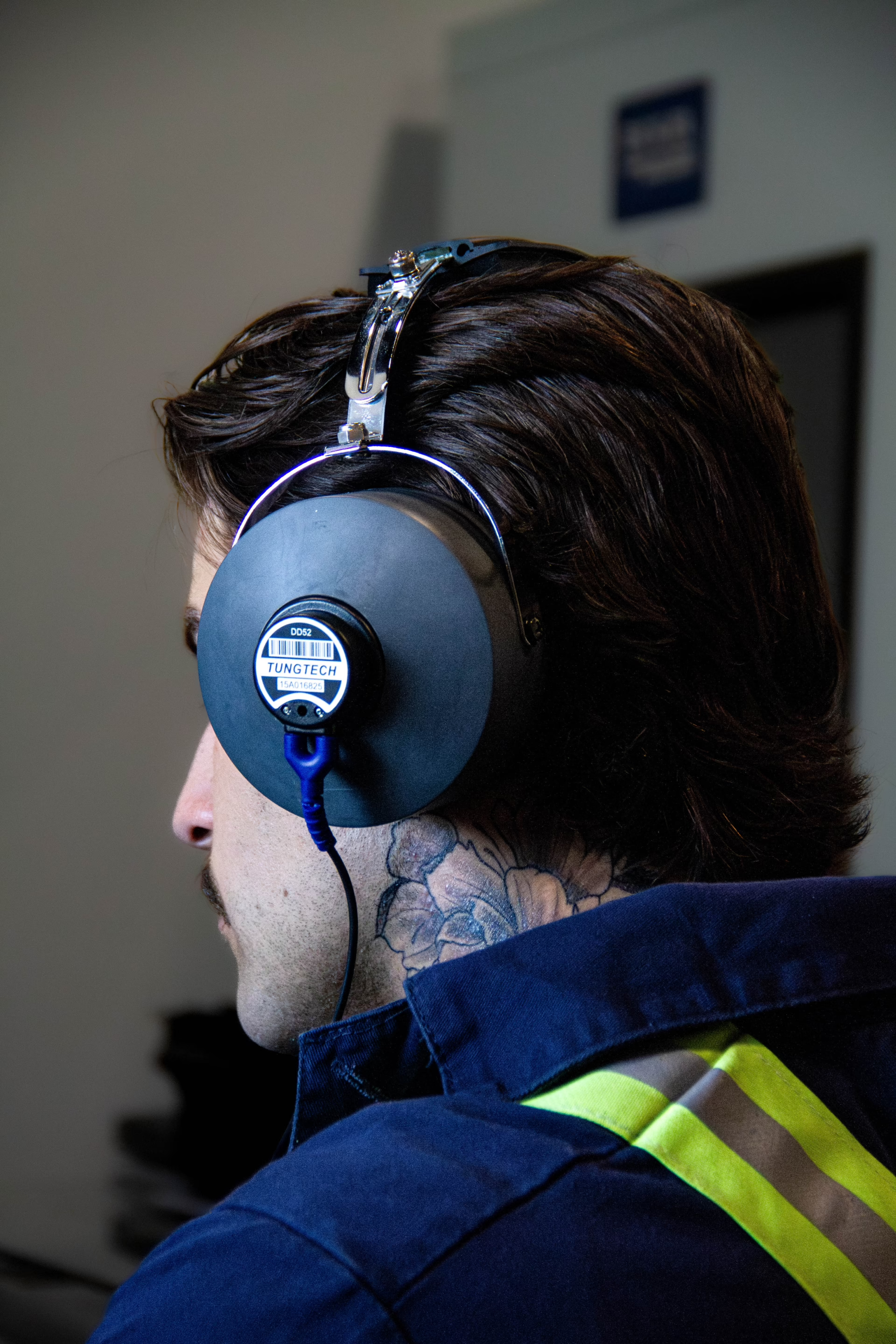
When it comes to workplace health, prevention is one of the most valuable tools an employer can offer. Comprehensive biometric health screenings provide employees with a convenient snapshot of important health indicators, helping identify potential cardiovascular and metabolic risk factors before they become more significant concerns.
At Canadian Occupational Wellness, our comprehensive biometric health screenings are designed to provide employees and organizations with meaningful health information in a professional, convenient setting. These screenings can be offered as part of a workplace wellness program, employee health initiative, or preventative health strategy.
What Is a Biometric Health Screening?
A biometric health screening is a preventative health assessment that measures several key indicators associated with overall health and chronic disease risk.
Rather than focusing on one specific measurement, a comprehensive screening brings several pieces of information together to provide a broader picture of an individual’s current health status.
Depending on the screening package, assessments may include:
- Blood pressure
- Heart rate
- Height and weight
- Body mass index (BMI)
- Body composition
- Waist circumference
- Full lipid panel
- Hemoglobin A1c (A1c)
- Framingham Risk Assessment
- Other relevant health measurements and questionnaires
The goal is not to diagnose disease, but to identify health trends and risk factors that may warrant discussion with the employee’s primary healthcare provider.
Full Lipid Panel
Cholesterol and other blood lipids are important indicators of cardiovascular health. A comprehensive lipid panel can provide information about several different types of cholesterol and fats circulating in the blood.
Depending on the laboratory testing provided, a lipid panel may include measurements such as:
- Total cholesterol
- HDL cholesterol
- LDL cholesterol
- Triglycerides
- Non-HDL cholesterol
These results can help provide a better understanding of an individual’s cardiovascular risk profile.
Elevated cholesterol does not necessarily cause noticeable symptoms, which is one reason routine screening can be valuable. An employee may feel completely healthy while having cholesterol levels that should be discussed with their healthcare provider.
Hemoglobin A1c Testing
Hemoglobin A1c, commonly referred to as A1c, provides an indication of average blood glucose levels over approximately the previous two to three months.
Unlike a single blood glucose measurement, A1c provides a longer-term picture of blood sugar control.
Screening A1c can be particularly useful for identifying individuals who may benefit from follow-up with their healthcare provider regarding blood glucose levels and diabetes risk.
Importantly, an A1c screening is not a substitute for a medical diagnosis. Abnormal or unexpected results should be reviewed with an appropriate healthcare professional.
Framingham Risk Assessment
A comprehensive biometric screening can also incorporate a Framingham Risk Assessment to help estimate an individual’s risk of developing cardiovascular disease.
The assessment considers several factors, which may include age, sex, blood pressure, cholesterol levels, smoking status, and other relevant health information.
The result provides an estimated cardiovascular risk rather than a diagnosis. It can be a useful educational tool that helps employees understand how different health factors may contribute to their overall cardiovascular risk.
For example, seeing how blood pressure, cholesterol, smoking, or other modifiable factors contribute to cardiovascular risk can encourage employees to have meaningful conversations with their healthcare providers.
Vital Signs and Anthropometric Measurements
Basic measurements remain an important part of a comprehensive health screening.
Our screenings can include measurements such as:
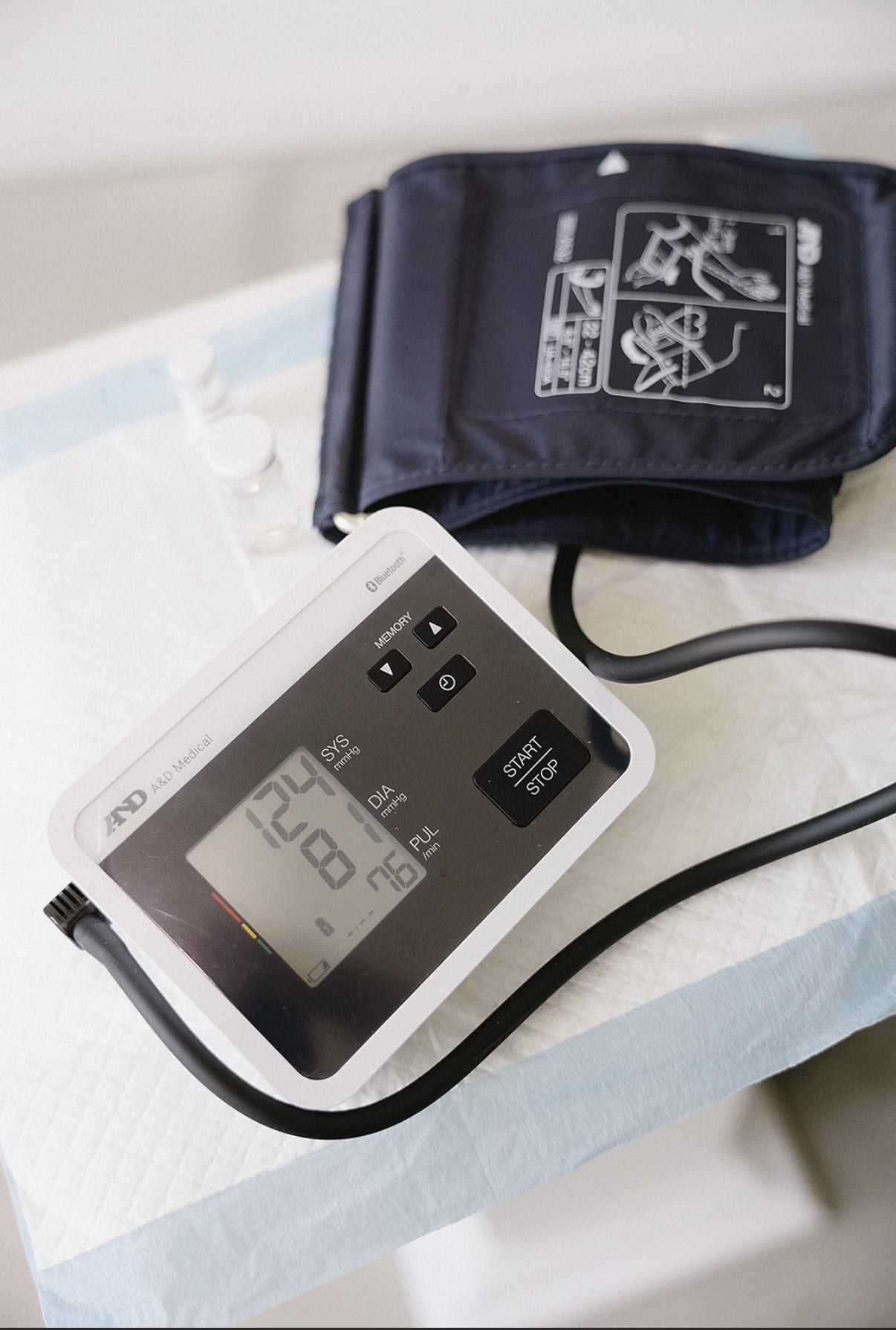
Blood pressure: Blood pressure provides information about cardiovascular health and can identify readings that may warrant further assessment.
Heart rate: Resting heart rate provides another useful baseline measurement.
Height and weight: These measurements can be used to calculate BMI and provide context for other health indicators.
Waist circumference: Abdominal circumference can provide additional information about cardiometabolic risk.
Rather than looking at one measurement in isolation, these results can be considered together to provide a more complete health snapshot.
Why Offer Biometric Screenings in the Workplace?
Workplace biometric screenings can be a practical component of a broader employee wellness program.
For employers, these screenings can help support a culture of prevention and health awareness while providing employees with convenient access to important health information.
For employees, the convenience of completing several measurements and blood tests in one appointment may make it easier to stay on top of their health.
Early identification of potential risk factors can encourage employees to seek appropriate medical follow-up, make informed lifestyle changes, and have more productive conversations with their healthcare providers.
These screenings can be particularly valuable for organizations with physically demanding or safety-sensitive workforces, where maintaining employee health and wellness is an important part of a comprehensive occupational health strategy.
What Happens After the Screening?
The purpose of a biometric screening is to provide information—not to replace an individual’s primary healthcare provider.
Employees should be encouraged to review concerning, abnormal, or unexpected results with their physician or other qualified healthcare professional. Depending on the results, follow-up may include additional testing, lifestyle recommendations, or medical assessment.
At Canadian Occupational Wellness, our healthcare professionals can help employees understand what their screening measurements mean and identify when follow-up with their primary healthcare provider may be appropriate.
A Proactive Investment in Employee Health
Comprehensive biometric health screenings give employees an opportunity to better understand important aspects of their health while giving employers a practical way to support a culture of prevention.
By combining cardiovascular and metabolic blood testing with vital signs, body composition measurements, and risk assessment, employers can provide their teams with a convenient, meaningful snapshot of their current health.
For organizations, this can be more than simply another workplace wellness initiative. A well-designed screening program can demonstrate a tangible investment in employee wellbeing, encourage preventive healthcare, and give employees the information they need to take a more proactive approach to their health.
Ready to Bring Biometric Health Screening to Your Workplace?
If you’re an employer, HR professional, benefits leader, or occupational health and safety professional looking for a practical way to support employee health, Canadian Occupational Wellness can help.
Bring comprehensive biometric health screening directly to your workplace. Our team can work with your organization to develop a convenient screening program tailored to your workforce, schedule, and wellness objectives.
Contact Canadian Occupational Wellness today to discuss bringing onsite biometric health screenings to your team and take the next step toward a more proactive workplace wellness strategy.