Silica exposure is a serious and often underestimated risk in many Canadian workplaces. From construction and oil and gas to manufacturing and mining, thousands of workers are exposed to respirable crystalline silica every day.
While controlling dust on-site is critical, protecting worker health goes beyond prevention—it requires ongoing monitoring and early detection. That’s where silica exposure medical surveillance comes in.
At Canadian Occupational Wellness, we support employers with efficient, compliant testing solutions designed to keep workers safe and operations running smoothly.
What Is Silica and Why Is It Dangerous?
Silica is a naturally occurring mineral found in materials like concrete, sand, stone, and brick. When these materials are disturbed—cut, drilled, or crushed—fine airborne particles are released.
These particles are small enough to be inhaled deep into the lungs, where they can cause serious long-term health effects, including:
- Silicosis
- Lung cancer
- Chronic lung disease
- Increased risk of infection
One of the biggest challenges with silica exposure is that damage can occur silently, often without symptoms in the early stages.
Why Medical Surveillance Matters
Because silica-related illnesses develop over time, early detection is key. Medical surveillance allows employers to:
- Monitor worker health over time
- Identify early signs of lung changes
- Ensure workers are fit for their roles
- Meet occupational health and safety requirements
A well-structured program is not just about compliance—it’s about preventing long-term harm and protecting your workforce.
Core Components of Silica Exposure Testing
Silica medical surveillance programs in Canada typically include a combination of assessments designed to evaluate respiratory health.
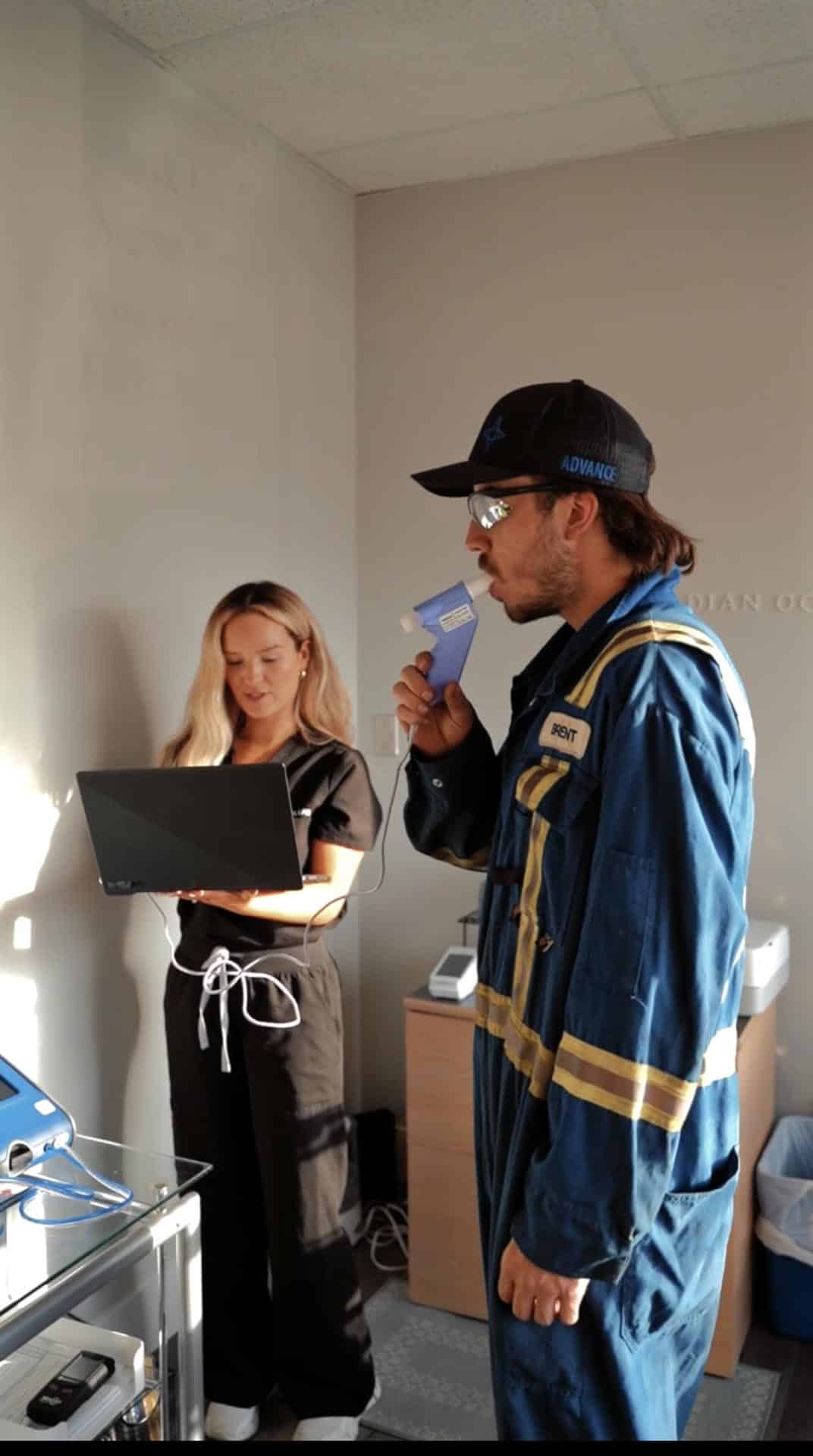
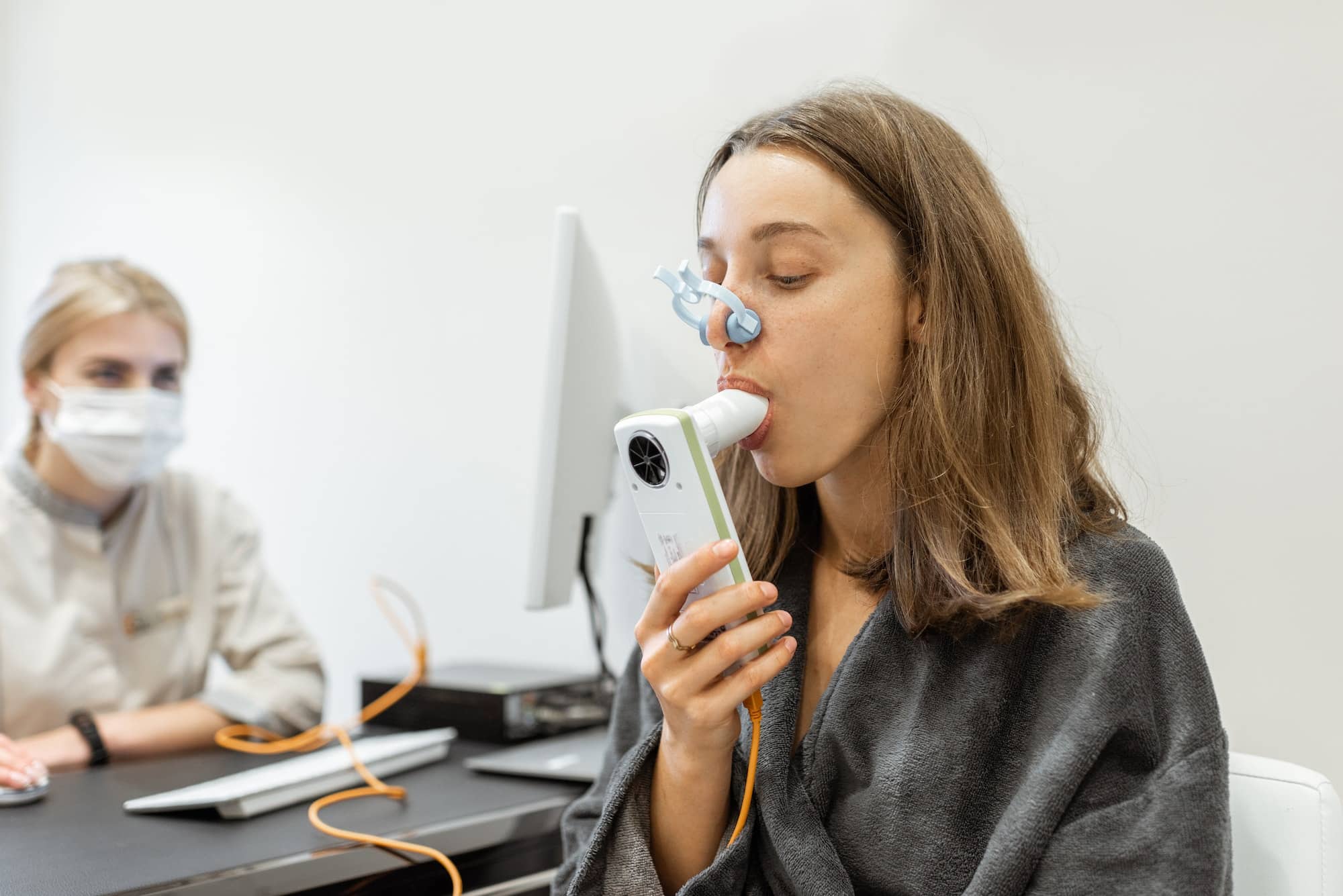
Lung Function Testing (Spirometry)
Spirometry is commonly used to measure how well the lungs are working. It helps establish a baseline and track changes over time.
Respiratory Health Assessments
These assessments review a worker’s medical and exposure history and identify any symptoms that may require further attention.
Chest Imaging
In higher-risk roles, imaging such as chest X-rays may be used to identify changes in lung tissue that are not visible through other tests.
Additional Screening Considerations
Depending on the work environment and level of exposure, additional elements may be incorporated into a silica program. These can include:
- Health screening questionnaires to track symptoms and exposure history
- Respirator-related assessments to ensure workers can safely wear protective equipment
- Follow-up evaluations if any concerns are identified
Each program should be tailored to the specific risks of the job and the workforce.
Who Should Be Tested?
Silica exposure testing is recommended for workers in industries where dust-generating activities are common, including:
- Construction and demolition
- Concrete cutting and grinding
- Oil and gas operations
- Mining and aggregate industries
- Manufacturing and fabrication
Even if exposure levels appear low, repeated or long-term exposure can still pose a risk.
Understanding Employer Responsibilities in Canada
Canadian employers have a legal responsibility to protect workers from hazardous exposures, including silica.
This includes:
- Identifying exposure risks
- Implementing control measures
- Monitoring worker health when required
- Maintaining proper documentation
A proactive approach to occupational wellness helps reduce liability while ensuring compliance with provincial OHS regulations.
The Value of a Proactive Approach
Waiting until symptoms appear can lead to serious consequences—for both workers and employers. A proactive silica testing program helps:
- Detect potential issues earlier
- Reduce the risk of long-term illness
- Support a safer, healthier workforce
- Demonstrate due diligence during inspections or audits
It also reinforces a company’s commitment to worker safety, which can improve retention and workplace culture.
Partnering with the Right Occupational Health Provider
Implementing a silica medical surveillance program doesn’t have to be complicated. Working with an experienced occupational health provider ensures that your program is:
- Aligned with OHS regulations
- Efficient and minimally disruptive
- Properly documented
- Scalable as your workforce grows
At Canadian Occupational Wellness, we work closely with employers to deliver practical, compliant solutions tailored to their operations.
Book Your Silica Exposure Testing
If your team is exposed to silica, now is the time to take action. A well-designed medical surveillance program can make a significant difference in protecting long-term health and maintaining compliance.
By combining awareness, prevention, and appropriate health monitoring, Canadian employers can reduce risk, protect their teams, and build safer workplaces for the future.
Canadian Occupational Wellness offers reliable, efficient silica exposure testing services to support your workforce and your business.
Contact us today to learn more or to book your occupational health services.